
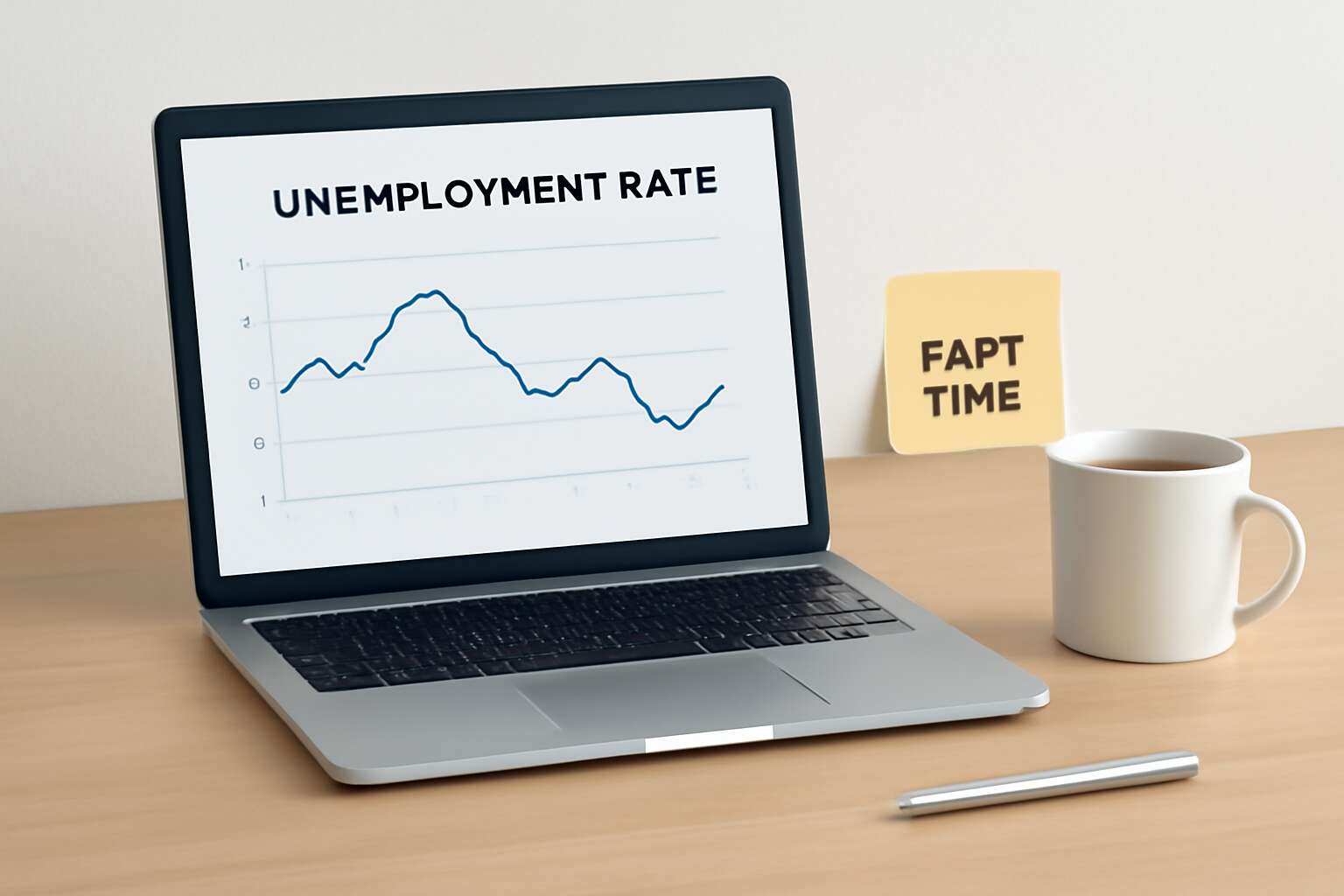
Understanding Part-Time Work in the Context of Unemployment Statistics
Overview and Context
South Africa’s labor statistics resemble a social atelier—polished on the surface, with hidden threads of complexity. Unemployment sits stubbornly in the mid-30s, and I watch as many citizens juggle multiple part-time gigs that keep households afloat and dinner conversations witty.
Are part-time jobs counted in unemployment rate? The answer is nuanced: those in part-time roles are counted as employed, not unemployed. The unemployment rate therefore reflects people without work who are actively seeking employment; it does not penalize someone for choosing flexible hours, nor does it capture underemployment or hours gaps.
- Employed (full-time or part-time)
- Unemployed (without work but actively seeking)
- Not in the labour force (students, retirees, discouraged workers)
Such questions — are part time jobs counted in unemployment rate — often surface in late-night policy chats. Thus the tale is wearing gaudy clarity but hides quiet complexity—hours, job quality, and sector all color the picture!
Legal and Methodological Foundations
South Africa’s unemployment rate has lingered in the mid-30s, a striking backdrop for how households stitch income with flexible hours. This context makes understanding part-time work essential.
Legal and methodological foundations rest on Stats SA’s Quarterly Labour Force Survey. Part-time roles are counted as employed, while unemployment covers those without work but actively seeking and available to start. Underemployment is tracked separately, revealing hours mismatch beyond the headline.
- Employed (full-time or part-time)
- Unemployed (without work but actively seeking)
- Not in the labour force (students, retirees, discouraged workers)
So the question “are part time jobs counted in unemployment rate” has a straightforward answer within the SA framework: part-time work is counted as employed, while the bigger story rests on hours and availability.
Measurement and Data Interpretation
South Africa’s unemployment tag-team — stubbornly hovering in the mid-30s — has households patching income from flexible hours. The question are part time jobs counted in unemployment rate has a straightforward answer in Stats SA’s framework: part-time work is counted as employed, while hours and availability drive the bigger picture.
That said, the story isn’t binary. A part-time gig can feel temporary or precarious, and underemployment flags hours that don’t match a worker’s needs. Data interpreters look at hours worked, schedule stability, and whether people could take more work if offered.
- Hours versus status can reveal underemployment gaps
- Availability to start a job affects unemployment interpretation
- Fluctuating weeks may hide steady income streams
Seen this way, the unemployment rate becomes a weather map of work, hours, and choice.
Global Perspectives and Comparisons
A seasoned economist once whispered, ‘the true unemployment map is drawn in hours, not headcounts.’ Readers across South Africa and beyond ask: are part time jobs counted in unemployment rate, and why does that matter in global comparisons?
Across global markets, definitions diverge: some count part-timers as employed, while others flag hours, scheduling stability, and availability to take more work as the real pulse of underemployment.
To read this world correctly, we weigh several threads:
- Hours worked versus hours desired
- Schedule stability and predictability
- Ability to take additional work when offered
In the theater of numbers, the unemployment rate becomes a weather map of work, hours, and choice—never a single compass rose.
Policy and Personal Finance Implications
The economist’s whisper still echoes through SA classrooms and boardrooms: ‘the true unemployment map is drawn in hours, not headcounts.’ For readers across South Africa, the question lingers: are part time jobs counted in unemployment rate? That line of inquiry reshapes how households budget, borrow, and forecast the future.
Policy watchers weigh three threads to read the numbers clearly:
- Hours worked versus hours desired
- Schedule stability and predictability
- Ability to take additional work when offered
These threads illuminate underemployment beyond the headline rate.
Those choices ripple into personal finance: how families plan meals, pay education costs, or dream of bigger purchases when the unemployment rate doesn’t tell the whole story. In a land of seasonal work and evolving sectors, hours become a compass in the sea of numbers.



0 Comments